





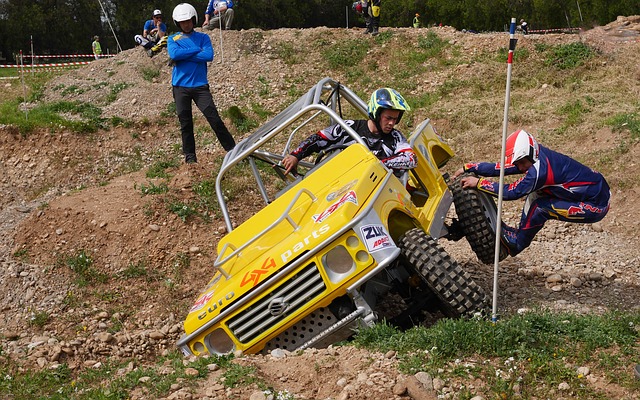


In the adventurous world of overland travel, relying on your vehicle’s reliability is paramount, especially in remote areas like Brownsville. Tips for overland 4×4 repairs in Brownsville can make the difference between a thrilling expedition and a frustrating setback. One crucial aspect often overlooked but essential for safety and performance is truck tire replacement services. This comprehensive guide will equip you with the knowledge to navigate these challenges and ensure your journey remains smooth and secure.
Understanding the Importance of Truck Tire Replacement in Brownsville
Brownville, with its diverse terrain and occasional harsh weather conditions, presents unique challenges for 4×4 enthusiasts. Over time, truck tires undergo significant wear and tear, impacting their performance and safety features. Here’s why prompt attention to tire health is crucial:
-
Safety First: Worn-out tires can lead to poor traction, increased stopping distances, and reduced handling control, especially on unpaved roads.
-
Reliability: Replacing tires before they fail ensures your vehicle’s dependability during lengthy overland trips, preventing unexpected breakdowns.
-
Performance: New tires offer improved fuel efficiency, better cornering, and reduced road noise, enhancing your overall driving experience.
-
Legal Compliance: In many regions, including Brownsville, there are minimum tire tread depth requirements for roadworthiness. Regular checks and replacements ensure you’re compliant with local laws.
Identifying Common Truck Tire Issues in Brownsville
Before delving into repair and replacement procedures, it’s essential to recognize the telltale signs of problematic tires. Some common issues to watch out for include:
1. Uneven Wear Patterns
- Symptoms: Tires showing excessive wear on one side or in specific spots, often indicating misalignment or improper loading.
- Cause: Poor wheel alignment, unequal weight distribution, or cargo securing issues.
- Action: Have a professional align your vehicle’s wheels and check the load distribution.
2. Deep or Shallow Tread
- Symptoms: Deep cuts or uneven wear across the tread, leading to reduced tread depth.
- Cause: Frequent off-road driving, sharp objects, or subpar tire quality.
- Action: Regularly inspect tire tread depth using a penny or tire gauge. Replace tires when tread depth reaches the legal minimum.
3. Sidewall Damage
- Symptoms: Cracks, bulges, or cuts along the sidewall of the tire.
- Cause: Hitting curbs or obstacles, or experiencing sudden impacts during driving.
- Action: Promptly replace tires showing significant sidewall damage to prevent blowouts.
4. Leaks and Punctures
- Symptoms: Persistent air loss, visible punctures, or hissing sounds.
- Cause: Punctures from sharp objects, cracks in the tire casing, or manufacturing defects.
- Action: Repair or replace tires with holes or leaks exceeding the recommended limit.
Mastering Truck Tire Replacement: A Step-by-Step Guide
In Brownsville, where off-road adventures are common, having a basic understanding of truck tire replacement can be invaluable. Here’s a comprehensive guide to help you tackle this task:
1. Gather the Necessary Tools and Equipment
Before beginning, ensure you have the following:
- Jack and Jack Stands: Essential for safely lifting and supporting the vehicle.
- Tire Iron or Wrench: Used to loosen and remove lug nuts.
- New Tires: Procure high-quality tires suitable for your 4×4, considering terrain and weather conditions.
- Tyre Gage: Measure tread depth accurately.
- Cleaning Solutions: To ensure proper tire mounting and sealing.
- Emergency Kit: Includes a spare tire, tools, and patching kits for minor repairs.
2. Prepare Your Vehicle and Work Area
- Park Safely: Choose a level surface, away from traffic, to perform the replacement.
- Engage Parking Brake: For added safety, apply the parking brake and chock wheels to prevent movement.
- Locate the Tools: Ensure all required tools are within reach.
- Clear the Work Area: Remove any obstacles to create a clean, organized workspace.
3. Loosen and Remove the Old Tires
- Use the Tire Iron: Insert the iron under the lug nut and turn it counterclockwise to break the lug nut’s grip. Repeat for each lug nut.
- Apply Jack Force: Position the jack under the vehicle as per the manufacturer’s instructions and raise the vehicle until the old tire is clear of the ground.
- Secure with Jack Stands: Place jack stands at the recommended locations to safely support the vehicle.
4. Install the New Tires
- Inspect the Rim: Ensure the rim is free from debris and in good condition.
- Clean the Rim: Use a suitable cleaning solution to remove any residue, ensuring a secure tire mount.
- Place the Tire: Position the new tire on the rim, ensuring the valve stem is aligned correctly.
- Hand-Tighten Lug Nuts: By hand, thread the lug nuts onto the threads, but don’t tighten them fully yet.
- Lower the Vehicle: Carefully lower the vehicle until the tire is in contact with the ground but still slightly lifted by the jack.
5. Tighten the Lug Nuts and Inflate the Tire
- Use the Tire Iron: With the vehicle on the ground, use the tire iron to tighten the lug nuts in a crisscross pattern, following the torque specifications.
- Inflate the Tire: Use a pressure gauge to inflate the tire to the recommended PSI, ensuring optimal performance and safety.
- Remove the Jack: Once the tire is inflated and secured, lower the vehicle completely and remove the jack stands and jack.
6. Test and Maintain Your Replacement Tire
- Test Drive: Take a short test drive to ensure the new tire operates smoothly and safely.
- Monitor Tire Pressure: Regularly check and maintain the tire pressure, especially before and after off-road trips.
- Rotate Tires: Follow the vehicle’s recommended tire rotation schedule to ensure even wear.
Finding Reliable Truck Tire Replacement Services in Brownsville
In some cases, you might not be equipped to perform tire replacements yourself. Fortunately, Brownsville offers several reliable truck tire replacement services:
-
Local Mechanics: Many experienced mechanics in Brownsville specialize in 4×4 repairs, including tire services. They provide expert advice and high-quality replacements.
-
Specialized Tire Shops: Some shops focus solely on tire sales and service, offering a wide range of options and expertise in tire installation and maintenance.
-
Concession Stands at Outdoor Markets: These stands often provide basic tire repairs and replacements, useful for quick fixes during short breaks.
Frequently Asked Questions (FAQs)
1. How often should I replace my truck tires?
The lifespan of your truck tires depends on various factors, including driving habits, terrain, and weather conditions. As a general guideline, consider replacing tires every 50,000 to 80,000 kilometers, or at least every three to four years, to ensure optimal performance and safety.
2. Can I use regular car tires for my 4×4?
While car tires may fit your 4×4, they might not provide the same level of performance and safety as specialized 4×4 tires. 4×4 tires are designed to handle rugged terrain, offer improved traction, and have enhanced sidewall strength. Using the right tires is crucial for optimal handling and control.
3. What should I do if my tire gets a small puncture?
Small punctures can often be repaired using a patching kit or temporarily with a plug. However, if the puncture is large or the tire shows signs of structural damage, it’s best to replace the tire. Never drive on a damaged tire, as it may fail suddenly and pose a safety risk.
4. How do I know if my tire needs replacing?
Regularly inspect your tires for signs of wear and damage, including uneven tread depth, sidewall cracks, bulges, or persistent leaks. If you notice any of these issues, or if your tire feels wobbly or makes unusual noises, it’s advisable to replace it.
5. Can I replace a tire myself, or do I need professional help?
Tire replacement can be accomplished by skilled individuals with the right tools and knowledge. If you’re comfortable working on your vehicle and have the necessary tools, you can replace a tire yourself. However, for peace of mind and safety, especially in a remote area like Brownsville, seeking professional assistance is recommended.
Conclusion
Tips for overland 4×4 repairs in Brownsville, with a focus on truck tire replacement, are essential for a smooth and enjoyable journey. By understanding common tire issues, mastering replacement procedures, and knowing when to seek professional help, you can confidently navigate the diverse terrain that Brownsville has to offer. Remember, a well-maintained tire is a crucial component of your 4×4’s reliability and safety, ensuring your adventures remain thrilling and memorable.